

Vicky Kouskouna (University of Athens); Aggeliki Barberopoulou (Hellenic Center for Marine Research); Panagiotis Andrianopoulos (Archeion Taxis); Charis Marantzidou (Columbia University, respondent)
Mathematics 520 and Online
22 █ September █ 2026
16 █ 00 - 17 █ 30 EST
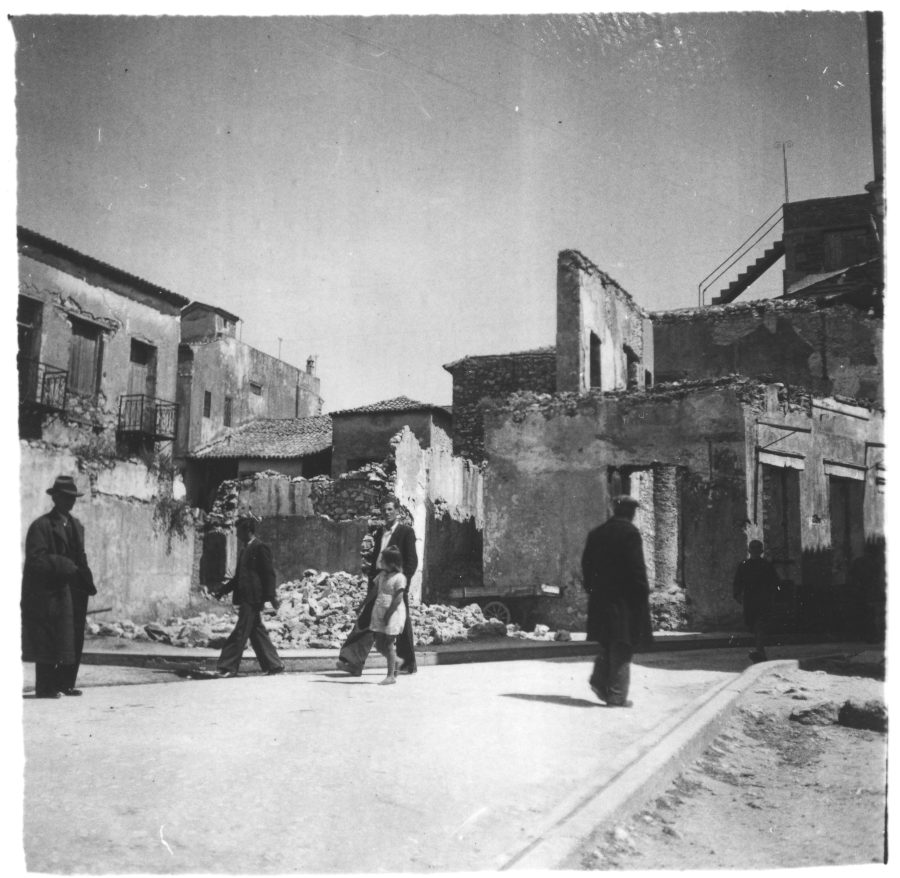
In October 1947, Messinia was struck by an earthquake. At the time Greece was in the midst of a brutal civil war and the region was rapidly becoming a critical front in the global Cold War. This workshop will explore the 1947 earthquake not just as a geological event, but as a human and political crisis. We will discuss what happens when a natural catastrophe hits a society already affected by war. Infrastructure is not a neutral force—roads, phone lines, clean water, and medical care are all weapons of control. Who gets relief, which villages are rebuilt, and who is left without assistance exposes political choices. In Messinia, this reality was complicated by the arrival of American assistance under the newly declared Truman Doctrine. Tasked with facilitating reconstruction, technocrats from the newly formed American Mission for Aid to Greece (AMAG) found themselves operating in a volatile war zone, drawing up blueprints for recovery while surrounded by military conflict. How was the urgent need for disaster relief complicated by geopolitical pressures of the Truman Doctrine and the civil conflict? Bringing together historians, archivists, geologists, and seismologists, this workshop will consider how people endured the double trauma of a civil war and a ruined landscape, how the politics of foreign aid shaped the physical and social recovery of post-war Greece, and how the study of natural disasters can shape the writing of social and political history.
This event is co-sponsored by the Program in Hellenic Studies and held in collaboration with Columbia Global Center | Athens.
Seating is limited. Registration closes at NOON on Monday, September 21st. If you do not have a Columbia ID, you will receive a QR code to access the campus. Register here.
This website uses cookies as well as similar tools and technologies to understand visitors’ experiences. By continuing to use this website, you consent to Columbia University’s usage of cookies and similar technologies, in accordance with the Columbia University Website Cookie Notice.


