

Amanda Kubic (Princeton University); Respondent: Nancy Worman (Columbia University)
Faculty House and Online
09 █ March █ 2027
16 █ 00 - 17 █ 30 EST
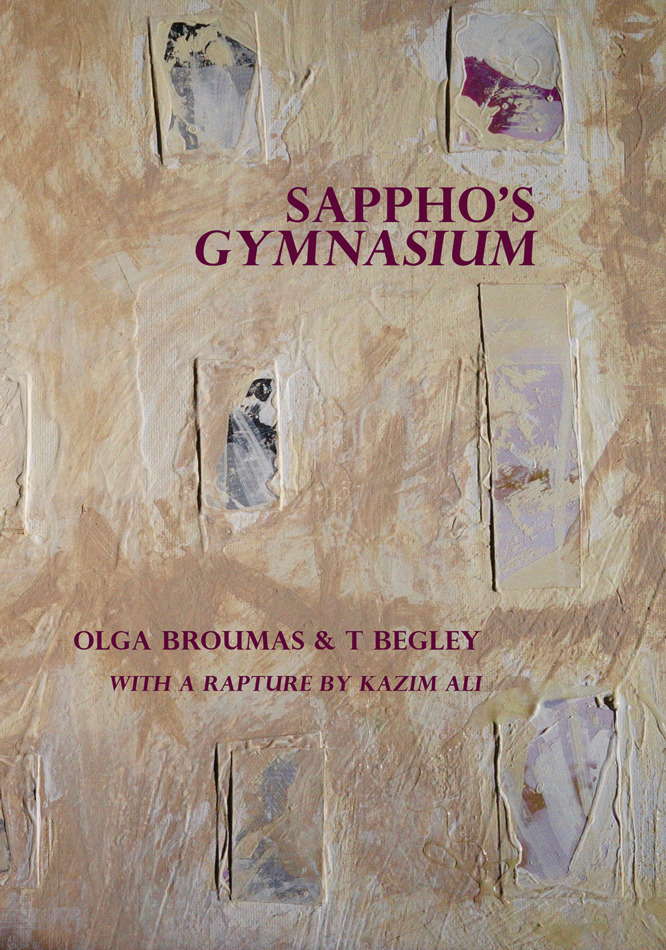
Published in 1994, Sappho’s Gymnasium is a co-authored collection of lyric poems by Olga Broumas—a Greek poet from Ermoupoli who resides in America—and her then-partner and co-author T Begley—an American poet, translator, and artist— which works out of a Sapphic tradition of erotic poetics and oral performance in its lyric renderings of the desiring and fragmented female subject. Sappho’s Gymnasium can be read as a series of Sapphic exercises: linguistic, poetic, choral, oral, amorous, and otherwise. This lecture explores how Broumas and Begley use a Sapphic “language of symptoms” and a plurality of Sapphic voices to develop new relationships with temporality and aesthetics– relationships that center disabled and queer experiences, pleasures, transgressions, and survivals. I argue that the authors engender a mode of Sapphic queer/crip survival that dwells in and takes joy from the taboo desires and frustrated silences the collection presents, and from the poetry’s unintelligibility and linguistic misfitting. Sappho’s Gymnasium performs the non-normativity of Sapphic language (Sappho’s “broken tongue,” her fragmented chorus and symptomatic language) and embodied Sapphic existence. Broumas and Begley enter into a realm of crip/queer time and disability aesthetics, where they may speak about unspeakable desires, symptoms and pathologies, frustrations and yearnings, and claim so-called bodily and linguistic brokenness as its own satisfying way of being.
This website uses cookies as well as similar tools and technologies to understand visitors’ experiences. By continuing to use this website, you consent to Columbia University’s usage of cookies and similar technologies, in accordance with the Columbia University Website Cookie Notice.


